Credit & Loans
The Financial Impact of Green Homes: Solar, Efficiency, and Energy Savings
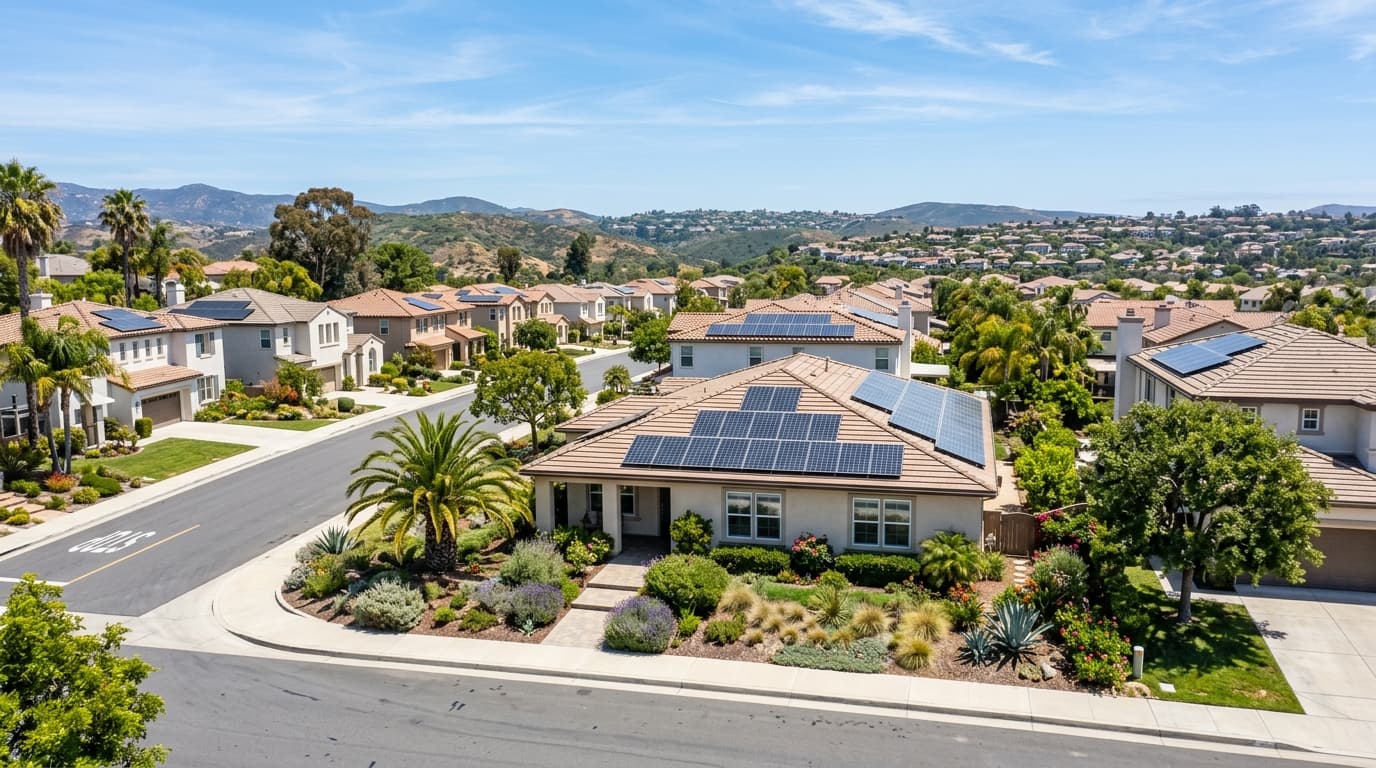
Solar panels and efficiency upgrades can offset utility bills, but they also add costs. See how to compare a monthly offset with a monthly payment.
Efficiency upgrades are easy to love in theory and harder to price in practice. A sticker price on solar panels or a new heat pump is one number, a changing utility bill is another, and your mortgage lives in a third column. Here is how to line them up when evaluating sustainable energy efficient home features.
Start With the Question, Not the Product
Before comparing equipment, ask what you want the feature to do: lower monthly bills, make the home more comfortable, reduce your environmental footprint, or support resale appeal. Each goal changes the math. Only the first is directly measurable in dollars.
Common Features and What They Affect
- Solar panels: may offset part of your electric bill, depending on usage, roof and utility rate structure.
- Heat pumps and efficient HVAC: may reduce heating and cooling energy use.
- Insulation, windows and air sealing: often lower the energy needed to keep a home comfortable.
- Efficient appliances and water heaters: smaller individual effects that add up.
Actual results depend on the home, climate, usage habits and the utility's current rate structure, which can change. A quote from an installer should come with clear assumptions. Ask to see them.
A Simple Monthly Comparison
Imagine you finance a $25,000 efficiency or solar project over 15 years at an illustrative 7.0%. The payment is about $225/month. Now compare it with the estimated monthly offset:
- If the projected utility offset is $150/month, the net monthly effect is about $-75.
- If the offset is $220/month, the net is about $-5.
- If the offset turns out lower, say $100/month, the net is about $-125.
Those are not predictions. They show why you should evaluate the upgrade at the low end of the estimate, not the high end. Also remember that the project cost may be paid in cash, financed through the mortgage, or financed separately, and each path has a different monthly effect and total interest cost.
How It Fits Into Your Loan Picture
For buyers, some loan programs allow certain energy-related improvements to be considered as part of a purchase or refinance. Availability, eligibility and limits change often, so verify current program details before counting on any of them. Adding a debt payment can also influence your debt-to-income ratio. Utility savings generally do not lower a qualifying payment, so a lender may focus on the added obligation.
Incentives such as tax credits or utility rebates may exist, and they can change or expire. Confirm the current status with the program administrator or a tax professional.
Questions to Ask Before You Sign
- What assumptions are behind the estimated offset?
- Is the system owned or leased, and what happens if I sell?
- What is the warranty, and who handles maintenance?
- How would the added payment affect my overall budget if the bill offset falls short?
Think About Resale and Time Horizon
The longer you plan to stay, the more an upgrade can make sense, because savings and comfort accrue over time. If you might sell within a few years, a cost that does not pay back before you move deserves extra scrutiny. Buyers may value efficient features, though how much, if anything, varies by market and cannot be assumed. Keep documentation, warranties and any permits organized, since they help future buyers and appraisers understand what was installed and when.
Your own review of sustainable energy efficient home features should always start with your actual bills. Comparing sustainable energy efficient home features by the dollar effect on your monthly budget keeps the decision grounded.
Your Next Step
Try modeling it yourself: open the Scenario Planner at /tools and compare long-term utility offset assumptions against your monthly obligations. If you want a second set of eyes on how an upgrade could fit with a purchase or refinance, call me at 714-204-8331.
Illustrative examples only; not a loan offer or financial advice. Rates, programs and eligibility change, so confirm current details.
- sustainable energy efficient home features
- solar
- energy efficiency
- home upgrades
- utility savings
A better starting point
Have a question about your own situation?
Model Utility OffsetsCompare loan optionsDan The Truong, NMLS ID 2115125. Information is for educational purposes only and is not a commitment to lend or an offer to extend credit. Loan approval, rates, and terms depend on credit, income, property, and underwriting, and may change without notice.