Equity & Life Transitions
Multi-Family Property Acquisition: Transitioning from Residential to Commercial
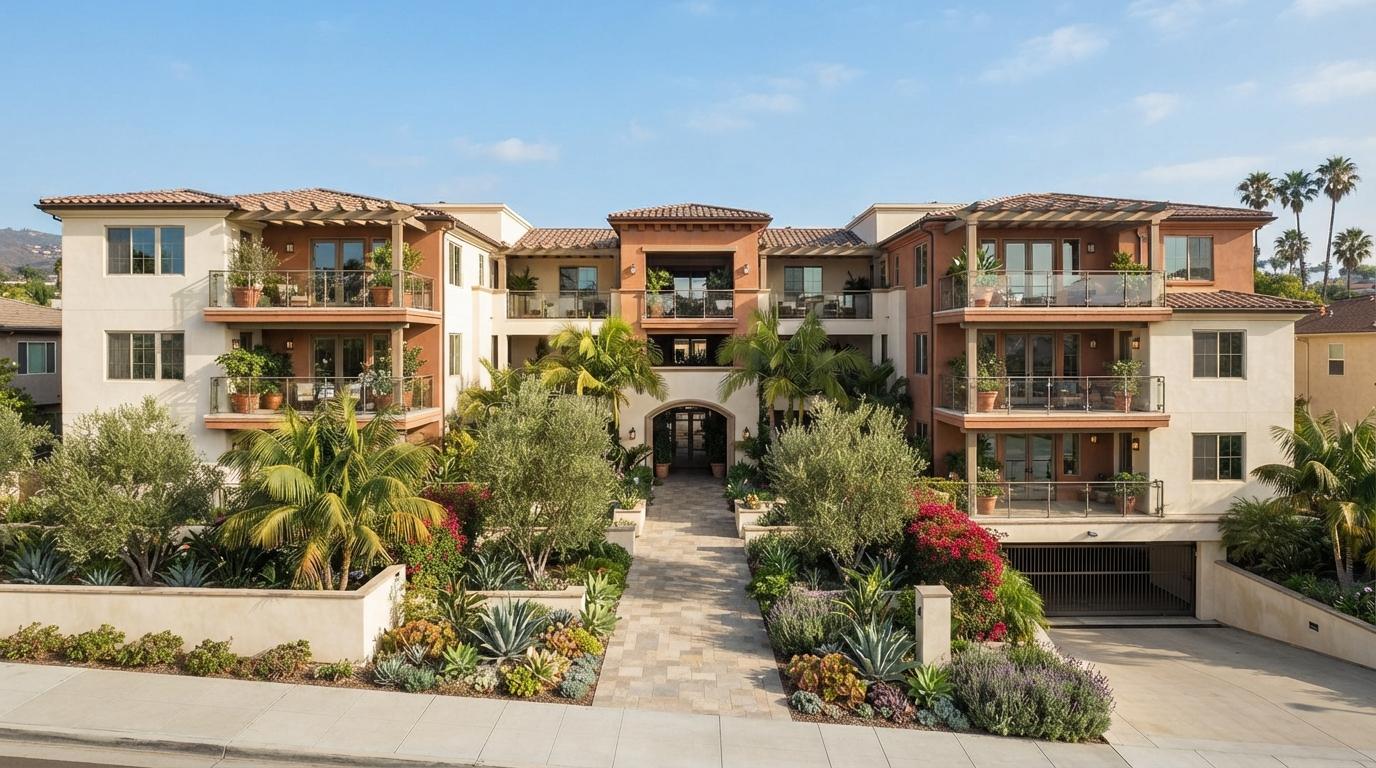
Moving from a home loan to commercial multi-family means new math: net operating income, debt coverage and different underwriting. Here is how it works.
If you own a house or a small rental, a larger apartment building can look like the natural next step. But multi family commercial real estate investing plays by different rules. The property, not your paycheck, tells most of the story, and the numbers you learned for home loans are only part of the toolkit.
Where Residential Ends and Commercial Begins
Residential loan programs generally cover properties of one to four units. Five or more units are typically underwritten as commercial real estate. That changes how lenders look at the deal:
- Property income carries more weight. Underwriting centers on net operating income (NOI) and debt service coverage.
- Terms differ. Commercial loans often have shorter terms with longer amortization schedules, and rates may be adjustable or reset at set points.
- Down payments and reserves tend to be larger, and lenders usually review your experience and financial strength.
Specific requirements vary by lender and property, so treat the following as a framework.
The Core Math: NOI
NOI is income after operating expenses but before debt payments. Here is an illustrative eight-unit building.
- Gross potential rent: 8 units x $1,900/mo x 12 = $182,400/yr
- Vacancy and credit loss at 5%: -$9,120
- Operating expenses at an assumed 35% of gross rent (taxes, insurance, maintenance, management, utilities): -$63,840
- NOI: $109,440/yr
Value and Financing
Investors often estimate value with a capitalization rate: NOI / price. If this building lists at $1,500,000, the cap rate is about 7.3%. Cap rates vary by market and property quality, so compare against local sales.
Now financing. Assume a 70% loan-to-value loan of $1,050,000 at an illustrative 7.0% with a 25-year amortization:
- Annual debt service: about $89,054
- DSCR: 109,440 / 89,054 = 1.23
Many commercial lenders look for a ratio comfortably above 1.0, though minimums differ. This example clears that line with a modest cushion, so a small rise in expenses or vacancy would still matter.
A Transition Checklist
- Know your reserves. Commercial deals reward liquidity.
- Study real operating statements, not just a broker's pro forma.
- Walk every unit and review leases, rent rolls and deferred maintenance.
- Plan management, whether self-run or through a professional.
- Ask about loan structure: term, amortization, prepayment terms and recourse.
- Build a team that includes a real estate attorney, CPA and insurance agent.
Strategic Framing
Think of each purchase as a business, not just a bigger house. Ask how it fits your portfolio, your time and your risk tolerance. Scaling is a series of deliberate steps, and each one should leave you with a margin of safety.
A Closer Look at Risk
The example works on paper, but commercial deals reward skeptics. Raise operating expenses to 40% of gross rent and NOI falls to about $100,320, and the coverage ratio drops to about 1.13. That is the kind of sensitivity check lenders and experienced investors run. It also shows why details such as rent rolls, lease expirations, deferred maintenance and rent-control rules in the city matter so much.
Remember too that interest rates on commercial loans may reset after an initial period, so plan for a refinance or payoff. Matching the loan structure to your hold period is just as important as choosing the building.
Questions for Your First Commercial Deal
Ask the seller for trailing twelve-month operating statements, a current rent roll, and copies of leases. Ask the lender about the loan term, rate reset schedule, prepayment terms and whether the loan is recourse or non-recourse. Ask yourself whether you have the time to manage a building, or the budget to pay someone who will. Clear answers here prevent expensive surprises later.
Your Next Step
If you are weighing your first five-unit-plus building, let's talk through the pathway. Call me at 714-204-8331 to discuss commercial lending pathways and portfolio expansion, and bring any property you are considering.
Illustrative examples only; not a loan offer or financial advice. Rates, programs and eligibility change, so confirm current details.
- multi-family investing
- commercial real estate
- net operating income
- cap rate
- apartment financing
- multi family commercial real estate investing
A better starting point
Have a question about your own situation?
Discuss Commercial LendingCompare loan optionsDan The Truong, NMLS ID 2115125. Information is for educational purposes only and is not a commitment to lend or an offer to extend credit. Loan approval, rates, and terms depend on credit, income, property, and underwriting, and may change without notice.