Market Insights
Choosing the Right Community: School Ratings, Amenities, and Long-Term Value
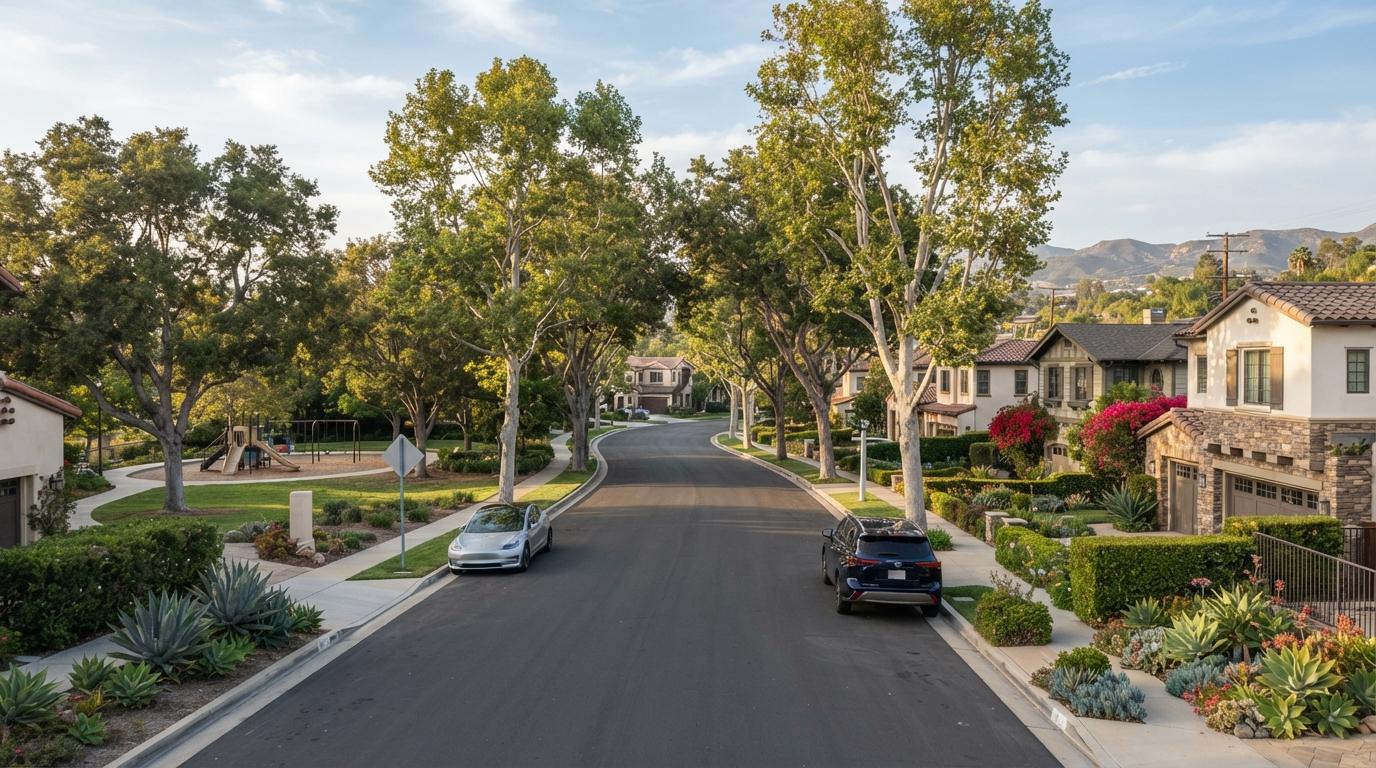
A practical, warm checklist for comparing communities: schools, amenities, commute and long-term value, using official public data sources rather than guesswork.
You can renovate a kitchen, but you cannot move a house. That is why how to choose a neighborhood to buy a home is often a bigger decision than which house you pick. The good news is that you can compare communities with a simple, repeatable checklist instead of a gut feeling.
Start With Your Daily Life
Before looking at any data, write down what a normal week looks like. Then sort what you need from what you would merely enjoy.
- Must-haves: commute length, space needs, budget, pet or accessibility requirements.
- Nice-to-haves: a park nearby, restaurants, a quiet street, a garage or yard.
Visit at different times: a weekday morning, an evening, and a weekend. Many people only see a community on a sunny Saturday showing.
Schools: Use Official Sources
If schools matter to your household, go to official public sources rather than relying on a single score or on hearsay. The California Department of Education publishes school and district information, and each district has its own website with boundary maps. Boundaries and programs can change, so confirm which school serves an address directly with the district before you make an offer.
I do not rank communities for you in a blog post, and a rating alone never tells the whole story. Visit, read the official reports, and ask the school.
Amenities and Practical Details
Think about what makes a place easy to live in:
- Commute time at your actual travel hours.
- Distance to groceries, healthcare and daily errands.
- Parks, trails and community facilities.
- Local plans for new construction or road changes, which are public records at the city or county planning office.
- Insurance considerations such as hazard zones, which you can check through official mapping resources.
- Any HOA fees or special assessments tied to the property.
Long-Term Value: Think in Ranges, Not Promises
No one can promise a home's future value. What you can do is look for fundamentals: a mix of housing types, steady employment access, maintained public spaces, and a price you can sustain. Public sources like county records show past sale prices, which gives context but not a forecast.
Price Gaps Become Payments
Here is how a price difference shows up each month. These are illustrative figures at 6.5% over 30 years with 20% down.
- Home at $700,000: loan of $560,000, principal and interest $3,540/mo
- Home at $750,000: loan of $600,000, principal and interest $3,792/mo
- Difference: about $253/mo, before taxes and insurance
If one community costs more, ask whether the benefit is worth that monthly difference. If a shorter commute saves you money and time, include that too.
A Simple Scorecard
Rate each community from 1 to 5 on commute, schools or other needs, amenities, budget fit and your gut feeling after visiting. Add the scores, then compare. The point is not the final number but the conversation it starts with your family.
Talk to Real People
Numbers only go so far. Chat with neighbors, walk the streets, and notice how the place feels at different hours. Check local government websites for city council agendas and planning updates, which show what the community is working on. Ask your agent which questions buyers often forget, such as parking rules, trash schedules or noise from nearby roads or flight paths.
If you are a first-time buyer, remember that the best community is the one that fits your life and your budget today, with some room to adapt. Take your time, trust your checklist, and do not feel rushed into a decision because of a single showing.
Your Next Step
Choosing where to live is personal, and I am happy to share what I see across local communities and how they relate to your budget and long-term plans. Call me at 714-204-8331 for local community perspectives and long-term value guidance, and bring your short list.
Illustrative examples only; not a loan offer or financial advice. Rates, programs and eligibility change, so confirm current details.
- choose a neighborhood
- school ratings
- community amenities
- long-term value
- first-time homebuyer
- how to choose a neighborhood to buy a home
A better starting point
Have a question about your own situation?
Call Dan About CommunitiesCompare loan optionsDan The Truong, NMLS ID 2115125. Information is for educational purposes only and is not a commitment to lend or an offer to extend credit. Loan approval, rates, and terms depend on credit, income, property, and underwriting, and may change without notice.