Equity & Life Transitions
Commercial Real Estate Fundamentals: Financing Small Multi-Family & Mixed-Use
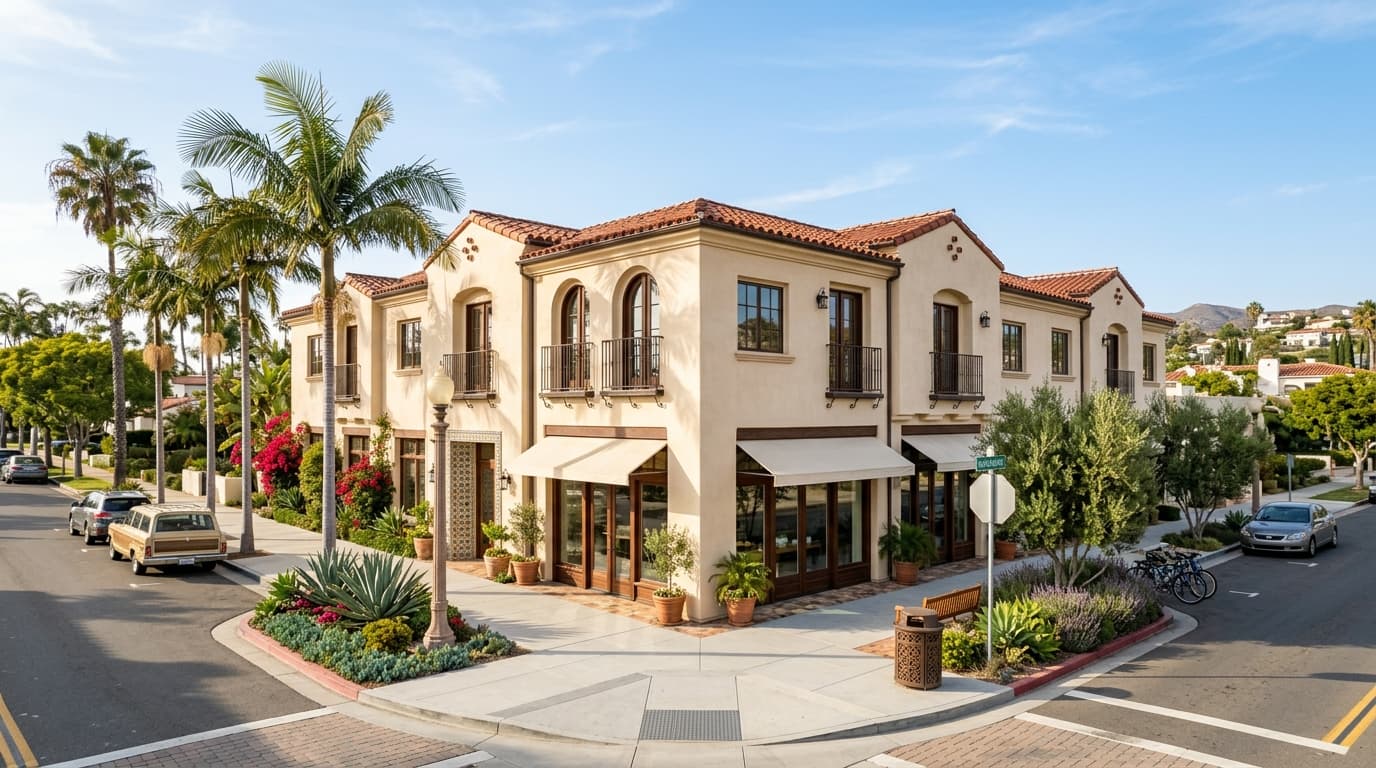
Financing a small multi-family or mixed-use building works differently from a home loan. Learn the key terms, from NOI to debt service coverage.
Moving from a home loan to a commercial loan feels like changing languages. The words are familiar, but the emphasis shifts from you to the property. This commercial real estate financing guide explains the core ideas behind small multi-family and mixed-use purchases.
Where the Line Is Drawn
Residential loans generally cover one to four units. Properties with five or more units, and many mixed-use buildings with a significant commercial component, are often financed with commercial underwriting. Definitions and thresholds vary by lender, so confirm how a specific property will be classified.
The Property Has to Qualify Too
With a commercial loan, a lender looks closely at the income the building produces, in addition to your finances. Two terms matter most:
- Net operating income (NOI): rental income minus operating expenses such as taxes, insurance, maintenance, management and vacancy, but before loan payments.
- Debt service coverage ratio (DSCR): NOI divided by annual loan payments. Lenders often want a cushion above 1.0, though the required level varies.
A Worked Example
Say a mixed-use building is priced at $1,600,000. A lender offers an illustrative 70% loan-to-value, which is a $1,120,000 loan, at 7.0% with a 25-year amortization. Annual debt service is about $94,991 (roughly $7,916/month).
- If NOI is $150,000, DSCR is 1.58.
- If vacancy or repairs push NOI to $130,000, DSCR falls to 1.37.
Same building, same loan, very different comfort level. That is why underwriters test the numbers and why you should too. Note that the loan amount, rate and amortization above are placeholders.
How Commercial Loans Differ
- Shorter terms with longer amortization. A loan might be fixed for five or ten years and then reset or come due, a structure that creates refinance risk.
- Prepayment terms. Some loans carry penalties for paying off early.
- Recourse. Some loans hold the borrower personally responsible, others limit recourse to the property.
- More documentation. Expect rent rolls, leases, operating statements and often environmental or appraisal reports.
- Higher down payments. They are typically larger than on owner-occupied homes, though specifics vary.
Building Your Case
Gather two to three years of the property's operating statements when available, current leases and a clean personal financial statement. Be ready to explain your plan for tenants, repairs and reserves. A good lender relationship starts with realistic numbers, not optimistic ones.
Questions to Bring to Any Lender
- What DSCR and loan-to-value do you require for this property type?
- Is the loan fixed, adjustable or hybrid, and when does it reset or mature?
- What are the prepayment terms?
- Is it recourse or non-recourse?
- What reserves are expected at closing?
Mixed-Use Adds Another Layer
In a mixed-use building, commercial tenants usually sign longer leases than residential renters, and their stability matters to the lender. A vacant storefront can weigh on NOI more than one empty apartment. Ask about lease terms, tenant types and who pays what, such as taxes, insurance and maintenance, under each lease. Zoning, permitted uses and building condition also deserve a careful look, so a thorough inspection and a review by a qualified attorney are well worth the cost before you commit. Finally, plan for the reserves a lender may require after closing, since commercial borrowers are often asked to show liquid cash beyond the down payment. Building that cushion early makes the whole process smoother and your plan more resilient to surprises.
A good commercial real estate financing guide ends with questions, not answers, so keep refining yours. Treat any commercial real estate financing guide, including this one, as a starting framework to bring to your lender, attorney and tax advisor.
Your Next Step
If you are weighing a small multi-family or mixed-use purchase, I would be glad to talk through the structures that might apply. Explore commercial lending structures directly with me by calling 714-204-8331, and bring whatever numbers you already have.
Illustrative examples only; not a loan offer or financial advice. Rates, programs and eligibility change, so confirm current details.
- commercial real estate financing guide
- multi-family financing
- mixed-use property
- DSCR
- commercial loans
A better starting point
Have a question about your own situation?
Call About Commercial LoansCompare loan optionsDan The Truong, NMLS ID 2115125. Information is for educational purposes only and is not a commitment to lend or an offer to extend credit. Loan approval, rates, and terms depend on credit, income, property, and underwriting, and may change without notice.